
Treating Arthritis with Physical Therapy & Focal Shockwave.
Arthritis is one of the most common causes of chronic joint pain and stiffness, affecting millions of adults of all ages. While arthritis cannot always be cured, modern physical therapy treatments can significantly reduce pain, improve mobility, and help you stay active.
At Release Physical Therapy in Washington, DC, we use an evidence-based combination of focal shockwave therapy and personalized physical therapy to help patients manage arthritis symptoms and delay more invasive interventions.
Understanding Arthritis and Its Challenges
Osteoarthritis refers to inflammation and degeneration within a joint. Over time, joint cartilage can wear down, leading to pain, stiffness, swelling, and reduced movement. These symptoms often make it difficult to exercise, which can further weaken the muscles that support the joint and worsen discomfort.
Effective treatment of osteoarthritis focuses on managing pain while maintaining strength, flexibility, and function, and a combined treatment approach with focal shockwave can be especially beneficial.
What Is Focal Shockwave Therapy?
Focal shockwave therapy is a non-invasive treatment that uses targeted acoustic waves delivered to specific tissues around the joint. For arthritis, shockwave therapy is often applied to surrounding tendons, ligaments, and soft tissues as well as the joint space.
Focal shockwave therapy may help by:
- Stimulating blood flow to irritated or damaged tissues
- Reducing chronic pain signals
- Improving tissue flexibility and quality
- Supporting the body’s natural repair processes
By decreasing pain and stiffness, shockwave therapy can help patients move more comfortably during daily activities and exercise.
How Physical Therapy Helps Osteoarthritis
Physical therapy is a cornerstone of arthritis management. A physical therapist designs a personalized program to:
- Improve joint mobility
- Strengthen muscles that support the joint
- Reduce stiffness and inflammation
- Improve balance and overall function
Movement is one of the most effective ways to manage arthritis symptoms and slow functional decline.
Why Combine Focal Shockwave Therapy with Physical Therapy?
When focal shockwave therapy is combined with physical therapy, patients often experience enhanced results:
- Pain Reduction to Support Movement
Shockwave therapy can calm painful tissues, making it easier and more comfortable to perform strengthening and movement. - Improved Joint Support
Physical therapy strengthens surrounding muscles, helping to offload stress from arthritic joints. - Better Mobility and Function
Reduced pain combined with targeted movement therapy can lead to improved range of motion and daily function. - Long-Term Symptom Management
While shockwave therapy helps manage pain, physical therapy teaches strategies and exercises that support long-term joint health.
Common Arthritis-Related Areas Treated
This combined approach is often used to help manage arthritis symptoms in areas such as:
- Knees
- Hips
- Shoulders
- Hands/fingers and wrists
- Ankles and feet
Treatment focuses on the soft tissues surrounding the joint to reduce strain and improve movement.
What You Can Expect from Treatment
A typical PT session for arthritis may include:
- Targeted focal shockwave therapy sessions to address painful or stiff tissues
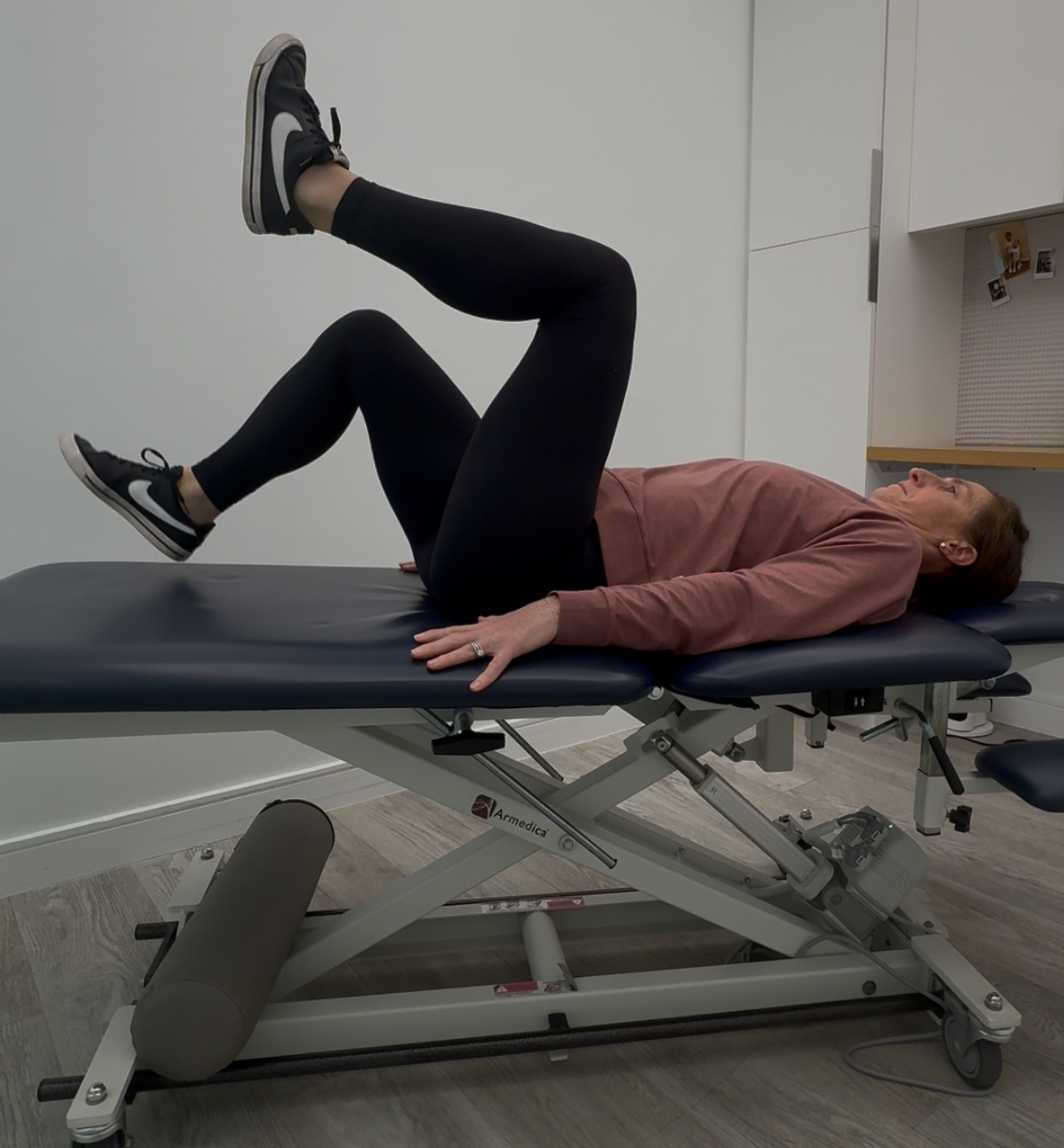
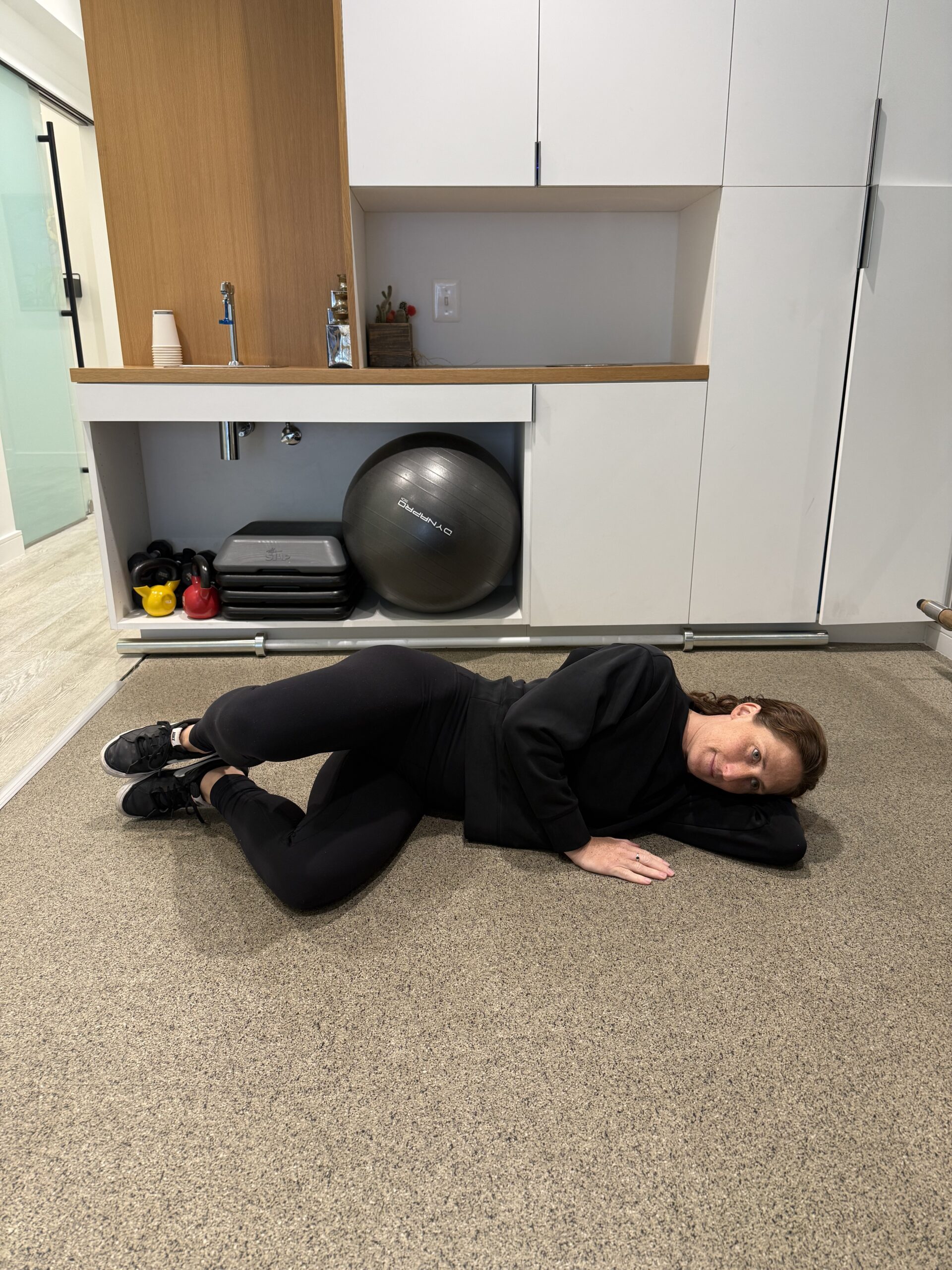
- Strengthening and mobility programming
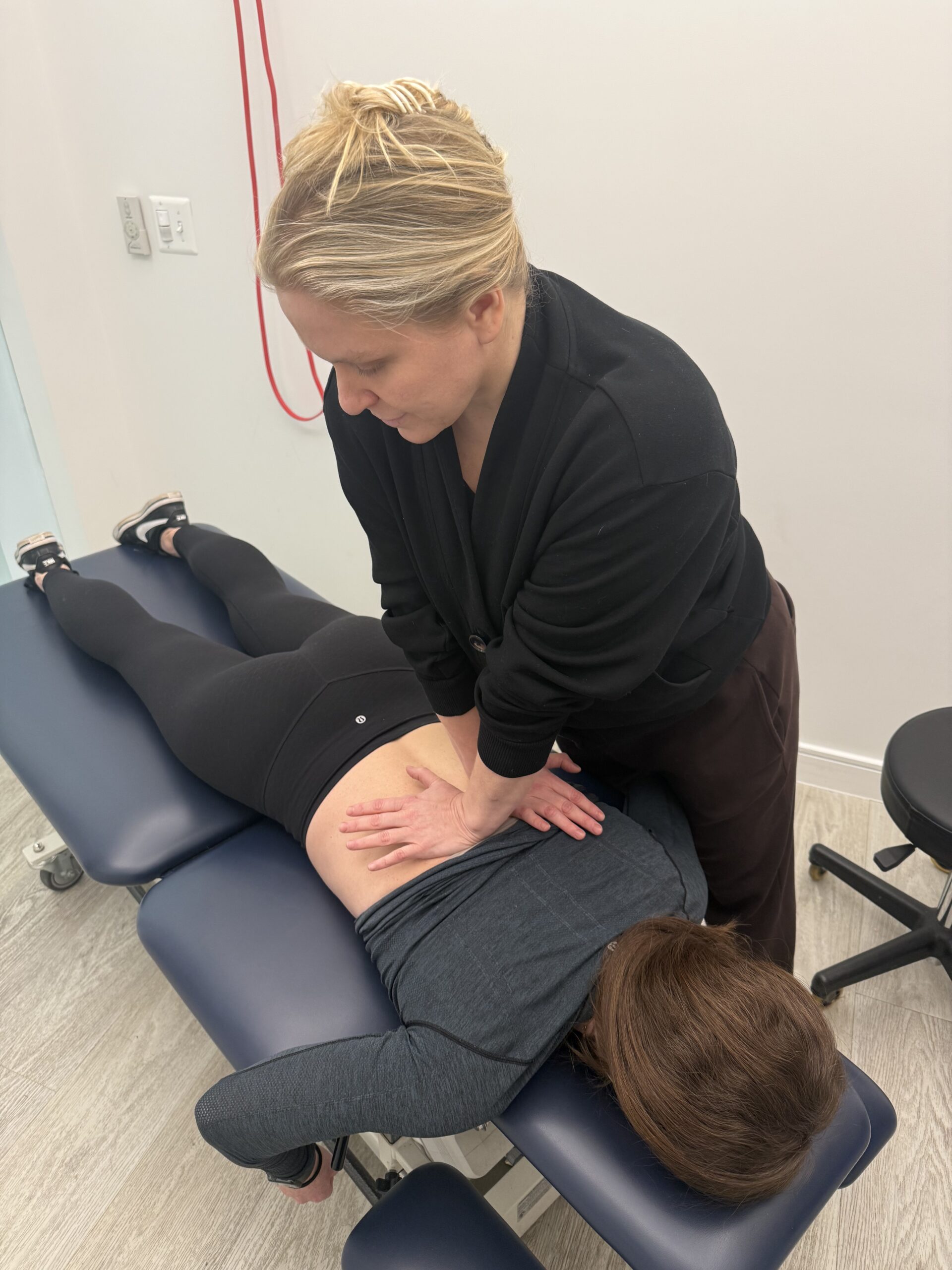
- Manual therapy techniques, including dry needling and other modalities
- Education on posture and body mechanics
Because focal shockwave therapy is non-invasive, most patients can return to normal activities shortly after treatment.
Release Physical Therapy is the only physical therapy clinic in the DMV area offering a true, focused shockwave therapy machine. This advanced technology allows us to treat arthritis-related pain with precision and efficiency.
If you’re living with arthritis and looking for pain relief, improved mobility, or a way to delay injections or surgery, we’re here to help.
Schedule your appointment with Release Physical Therapy in Washington, DC today and find out if focal shockwave therapy and physical therapy are right for you.