
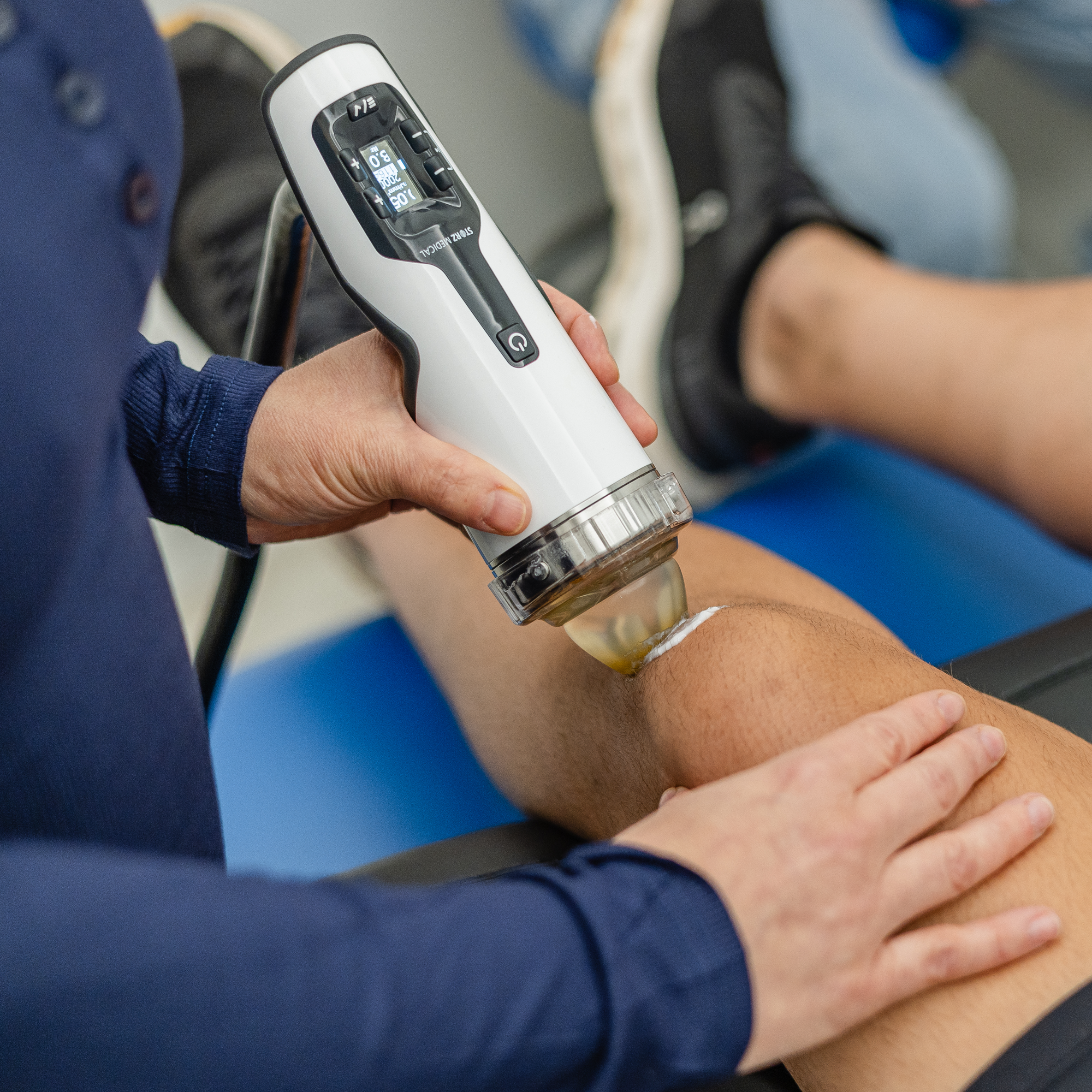
Electrical stimulation is commonly used in physical therapy to help manage pain, stimulate muscle contractions, and support rehabilitation. However, not all electrical stimulation devices work the same way. The Neubie is a neuromuscular electrical stimulation device that uses pulsed direct current (DC), while many traditional electrical stimulation devices use alternating current (AC) or other waveforms.
What Is Traditional Electrical Stimulation?
Traditional electrical stimulation includes several different types of treatment, each with its own purpose.
- TENS (transcutaneous electrical nerve stimulation): used to help manage pain by stimulating sensory nerves.
- NMES (neuromuscular electrical stimulation): used to produce muscle contractions and support muscle activation, strengthening, or rehabilitation
Which one you choose depends on the condition, treatment goals, and response to stimulation.
How Is the Neubie Different?
The Neubie, short for NEUro-BIo-Electric, uses pulsed direct current and is designed to be incorporated into active movement and exercise.
Rather than relying solely on passive stimulation, a physical therapist may use the Neubie while guiding a patient through specific movements or exercises. The goal is to combine electrical stimulation with active rehabilitation to address muscle activation, movement coordination, and functional performance.
Potential distinctions include:
- Electrical waveform: The Neubie uses pulsed direct current, whereas many conventional TENS and NMES devices use alternating-current waveforms or other stimulation patterns.
- Active movement: Neubie sessions may combine stimulation with guided movements and functional exercises.
- Individualized application: Electrode placement, stimulation intensity, and exercise selection can be adjusted to the patient’s presentation and goals.
- Rehabilitation focus: Treatment may be directed toward improving muscle recruitment and movement performance rather than providing pain relief alone.
The Research
Research specifically examining the Neubie is emerging, and some early findings are showing great results.
A 2025 randomized comparative study published in the Journal of Diabetes Research evaluated Neubie treatment against TENS in 150 people with diabetic peripheral neuropathy. The Neubie group improved on several measures, including neuropathy scores, pain, and selected sensory measures. However, the study was open-label, and its findings cannot be generalized to every condition treated in physical therapy.
Other research has compared Neubie-assisted exercise with conventional resistance training. These studies provide information about short-term muscle responses and potential training adaptations, but they do not establish that Neubie treatment is superior for every rehabilitation goal.
More research is needed to determine which patients are most likely to benefit, which treatment protocols are optimal, and how outcomes compare across specific musculoskeletal conditions. At Release Physical Therapy, our therapists are trained in the neubie device and can provide more insight if the device would be a good option for you.
How Can the Neubie Fit Into a Physical Therapy Plan?
The Neubie is just another tool we use here at Release Physical Therapy, but is not a replacement for other care. We still prioritize individualized assessment, progressive exercise, and evidence-based care.
At Release Physical Therapy, treatment should begin with an assessment of the patient’s symptoms, movement limitations, strength, and functional goals. A physical therapist can then determine whether Neubie is appropriate.
Depending on the patient’s needs, a treatment plan may combine the Neubie with therapeutic exercise, movement retraining, manual therapy, and progressive strengthening.
Contact Release Physical Therapy to discuss your symptoms and schedule an individualized physical therapy evaluation to see if the neubie is right for you.
Additional Posts

Our Physical Therapists
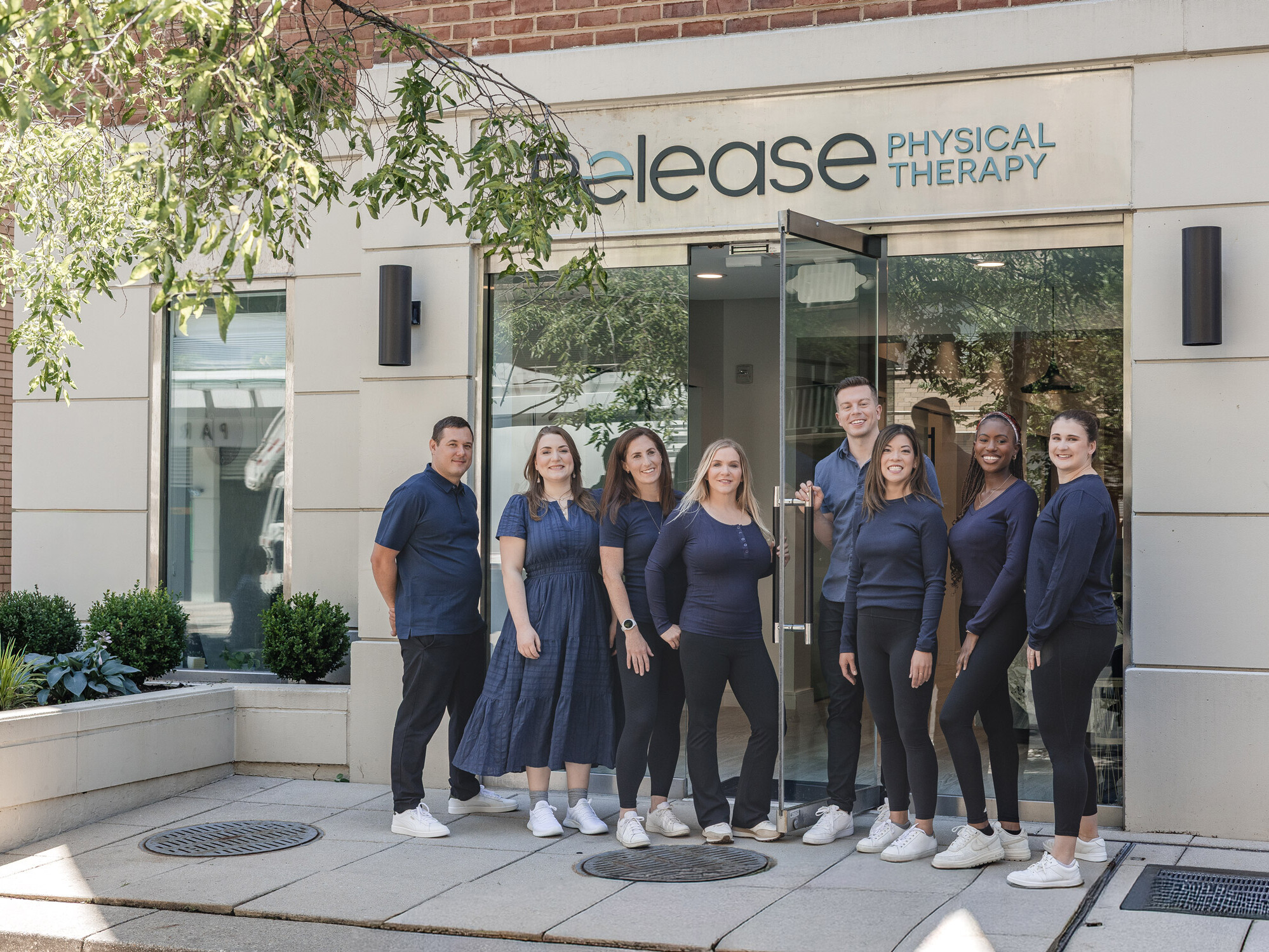
Release Physical Therapy staffs the top physical therapists in Washington, DC. Our experienced and highly trained physical therapists specialize in treating the outpatient orthopedic population, including sports therapy, chronic pain management, orthopedic/spinal therapy, pre/post-surgical therapy, as well as wellness and prevention. Our PTs utilize a wide range of therapies and technologies to deliver a personalized care plan. All of our physical therapists are accepting new patients.
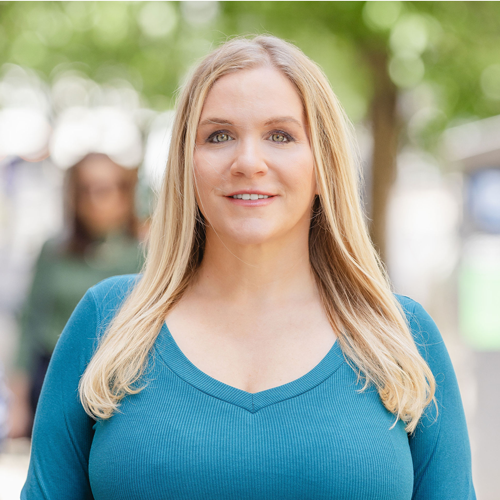
Dr. Cari Simon PT, DPT, CMTPT, ART
Owner & Physical Therapist, Release Physical Therapy Washington, D.C.
Dr. Cari Simon received her Doctorate degree in Physical Therapy from the University of Hartford. A former All-New England and All-State soccer player, she was part of the U.S. Women’s Soccer National Team pool, but ultimately decided to redirect her career in pursuit of her true passion: care. She is now one of the top physical therapists in Washington, DC. As one of the most highly regarded physical therapists in Washington, DC, Dr. Cari Simon’s treatment approach combines manual mobilization and manipulation techniques with individualized therapeutic exercise. She is a full body Active Release Technique (ART) provider. Additionally, Dr. Simon utilizes McConnell, athletic, and Kinesio Taping methods, as well as Trigger Point Dry Needle Therapy. When she is not helping her patients meet their physical goals, Dr. Simon enjoys networking with other physical therapists in Washington, DC, outdoor activities and spending time with her family.
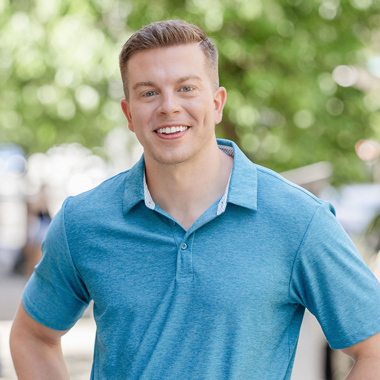
Ethan Gramstad PT, DPT, CMTPT
Physical Therapist, Release Physical Therapy Washington, D.C.
Dr. Ethan Gramstad is the newest addition to the staff at Release Physical Therapy. A native of Virginia, he has recently relocated to Washington, DC following the last two years of practicing PT in Denver, Colorado. He received his Bachelor’s degree from the University of Virginia where he was a member of the UVA Men’s Rowing team for three years. It was that experience that ignited his interest in the science of exercise, as well as physiology and anatomy. He went on to obtain his Doctorate of Physical Therapy from Old Dominion University from Norfolk, Virginia in 2017.
Dr. Gramstad uses manual therapy and mobilization techniques to obtain optimal patient outcomes and places a high priority on establishing a strong patient-therapist relationship. He focuses on assisting his patients in meeting their physical goals and finds satisfaction in the application of individualized exercise programs, as well as dry needling to achieve success. He has previous experience in providing pre and post-operative therapy protocols and treating the outpatient orthopedic population. Besides his rowing days, Dr. Gramstad has personally participated in endurance sports; running Cross Country and multiple marathons and continues to maintain a devotion to a rigorous gym regimen.

Dr. Stephanie Lam PT, DPT, CMTPT
Physical Therapist, Release Physical Therapy Washington, D.C.
Dr. Stephanie Lam received her Doctorate of Physical Therapy from the School of Health Technology and Management at Stony Brook University, after attaining dual degrees in Biology and Psychology from the University of Virginia. She is highly experienced in several fields of adult orthopedics, including post-surgical recovery, acute sports injury rehabilitation, athletic performance improvement, and chronic pain management. She also has a passion for pediatrics and has treated kids of all ages for congenital and developmental issues.
Dr. Lam uses her patient’s individual goals to guide treatment, addressing her patient’s symptomatic impairments while considering their day-to-day ability to function and perform athletic and recreational activities. Dr. Lam incorporates manual therapy throughout her treatments, specializing in extensive deep soft tissue manipulation and mobilizations of the spine and peripheral joints, as well as dry needling.

Deborah Ajala PT, DPT, COMT, CMTPT
Physical Therapist, Release Physical Therapy Washington, D.C.
Dr. Deborah Ajala is an astute physical therapist who takes her time to get to know her patients in order to provide the best possible care. Dr. Ajala’s lifelong passion for caregiving led her to a career in physical therapy. She received a Bachelors degree in Health Sciences with a minor in Exercise Science and Wellness Management from the University of Sciences in Philadelphia, where she obtained a Doctorate in Physical Therapy thereafter. Dr. Ajala holds certifications in Orthopedic Manual Therapy (COMT) and Trigger Point Dry Needling (CMTPT). Her goal with each patient is to optimize their return to function.
Dr. Ajala previously worked at an Outpatient Physical Therapy Clinic in Maryland as a staff clinician. There, she served a diverse patient population treating a wide range of orthopedic conditions including sports medicine, pre/post operative rehabilitation, overuse injuries and several others.
In her free time, Dr. Ajala enjoys spending time with her family and friends, reading, and sports. She also enjoys exploring new DC neighborhoods and is a restaurant enthusiast.
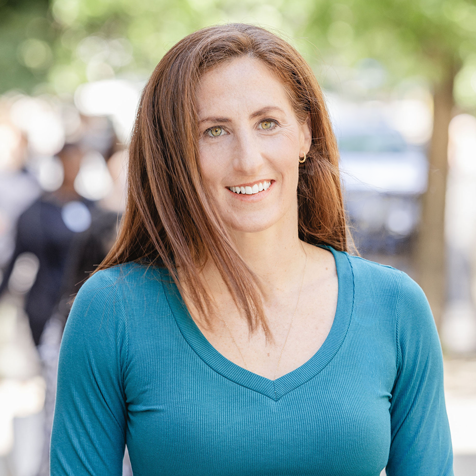
Mia Smyser PT, DPT, COMT, CIDN
Physical Therapist, Pelvic Floor Therapist, Release Physical Therapy Tysons and Washington, D.C.
Dr. Mia Smyser is a native of the DMV. She received her Doctorate in Physical Therapy from the University of Miami, after receiving her Bachelors of Science in Exercise Science from the University of South Carolina. She thinks movement is of foundational importance and is dedicated to improving people’s mobility and function and helping them achieve their optimal physical well-being.
She is passionate about continuing to learn and grow in the profession. She is a Certified Orthopedic Manual Therapist (COMT), certified in Integrative Dry Needling and is continuing her coursework with Herman & Wallace as a pelvic health therapist.
Dr. Smyser previously worked at outpatient physical therapy clinics in Washington, DC and Falls Church, VA, treating a wide variety of conditions including sports medicine, pelvic health, pre/post-operative rehabilitation, and pediatrics, among others.
In her free time, she prioritizes spending time with her husband, son & dog; playing soccer and running; coaching HIIT and checking out new restaurants.
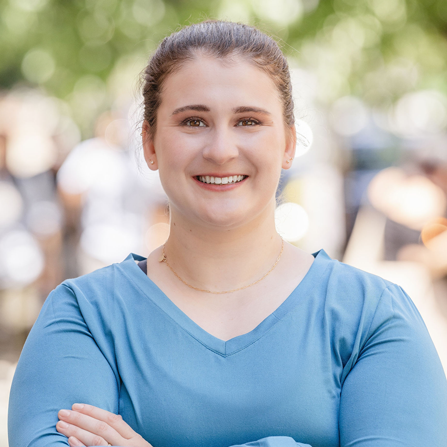
Sally Sroge, PT, DPT, OCS, COMT, MDNC
Physical Therapist, Release Physical Therapy Washington, DC
Sally earned her Doctorate in Physical Therapy from Radford University. Originally from Boulder, Colorado, she grew up immersed in sports and the outdoors, and her experience as a collegiate basketball player fueled her passion for movement and rehabilitation.
For the past three years, Sally has practiced in Washington, D.C., specializing in manual therapy, therapeutic exercise, and individualized treatment plans. In 2025, she completed her clinical orthopedic residency with the North American Institute of Manual Therapy (NAIOMT) and earned her Certified Orthopedic Manual Therapist (COMT) credential. She is also trained in Trigger Point Dry Needling and holds certification through the Barbell Rehab Method, allowing her to bridge the gap between rehab and strength training.
Outside the clinic, Sally enjoys powerlifting, exploring D.C.’s vibrant food scene, and spending time with her partner and their two cats.
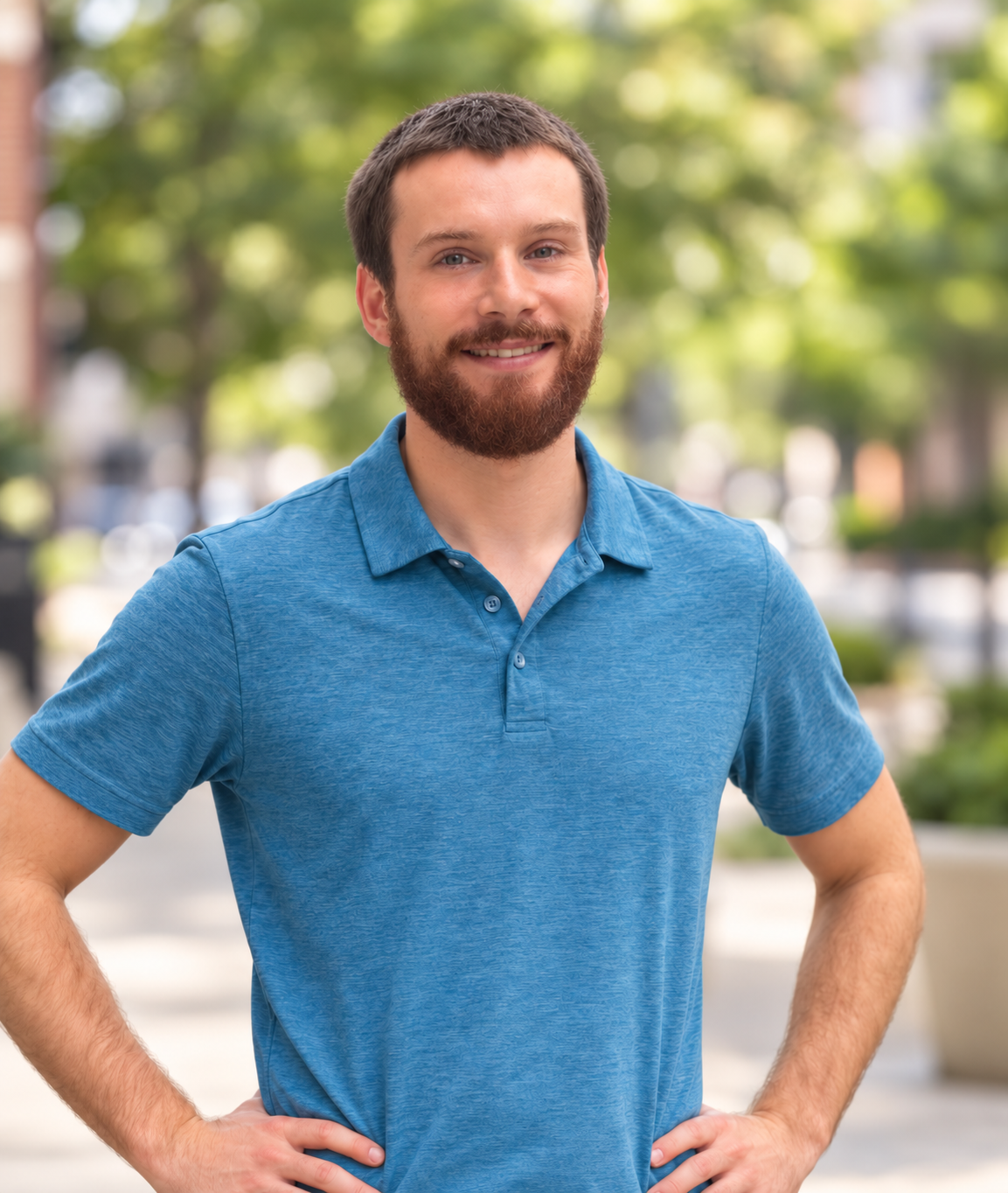
Elliott Place, PT, DPT
Physical Therapist, Release Physical Therapy Washington, DC
Elliott Place is a Doctor of Physical Therapy who earned his Doctor of Physical Therapy degree from Ithaca College. His clinical approach is grounded in evidence-based practice and combines a strong foundation in manual therapy and dry needling with individualized exercise and movement-based rehabilitation.
During his undergraduate education, Elliott was a competitive sprinter, an experience that provided him with a firsthand understanding of athletic performance, training demands, injury recovery, and the mental aspects of returning to sport. He also completed a minor in Sport Psychology, further developing his understanding of the relationship between physical performance, motivation, confidence, and the psychological factors that can influence rehabilitation.
Elliott enjoys treating a wide range of orthopedic and sports-related conditions, with a particular interest in helping patients return to the activities and sports they enjoy. His clinical interests also extend beyond traditional orthopedic care to include temporomandibular joint (TMJ) disorders, benign paroxysmal positional vertigo (BPPV), and vestibular hypofunction.
He believes effective physical therapy should be individualized, collaborative, and supported by current research. By combining hands-on techniques, dry needling, targeted exercise, and patient education, Elliott works to address the underlying contributors to injury while helping patients build confidence and long-term physical resilience.
Keith Hughes LMT
Massage Therapist, Release Physical Therapy Washington, D.C.
Prior to joining Release, Keith worked with athletes at the University of Maryland, supporting the men’s soccer, cross country, and lacrosse programs as well as women’s soccer, preparing athletes for competition and guiding recovery between training blocks. He has also delivered sports massage at Equinox, working alongside trainers to build treatment plans around each client’s goals.
His toolkit includes myofascial manipulation, trigger point therapy, Graston/IASTM, myofascial decompression (cupping), PNF, and assisted stretching. Keith believes recovery works best when clients understand their own bodies, so every session includes education on what he’s finding and how to prevent it from coming back.
His mission: functional mobility.