
Hip Hinges for back pain
One of the most common movement patterns physical therapists teach for back pain is the hip hinge.
Why? Because many people bend from their low back during everyday activities, lifting laundry, unloading the dishwasher, picking up your child, or reaching to the floor to grab something. Over time, repeated stress through your lumbar spine can contribute to irritation, stiffness, and pain.
What Is a Hip Hinge?
A hip hinge is a movement where the hips move backward while the spine stays relatively neutral. Instead of rounding through the low back, the movement comes primarily from the hips.
This movement pattern allows the powerful muscles of the glutes and hamstrings to do more of the work, reducing strain on the back.
Why It Helps Back Pain
- It Reduces Stress on the Lumbar Spine
When people repeatedly bend and lift through the spine alone, the low back often becomes overworked. Hip hinging teaches the body to share the load more efficiently.
- It Improves Glute Activation
The glutes are designed to be strong movers and stabilizers. Learning to hinge properly helps engage these muscles during daily tasks and exercise.
- It Builds Better Movement Awareness
Many people are unaware of how often they compensate through their back. Practicing hip hinging improves body mechanics and helps create more efficient movement patterns throughout the day.
Everyday Activities That Use a Hip Hinge
Hip hinging is helpful for:
* Picking items up off the floor
* Lifting weights
* Standing from a chair
* Loading the dishwasher
* Gardening
* Caring for children
* Athletic movements like deadlifts or jumping
A Simple Way to Practice
Try this:
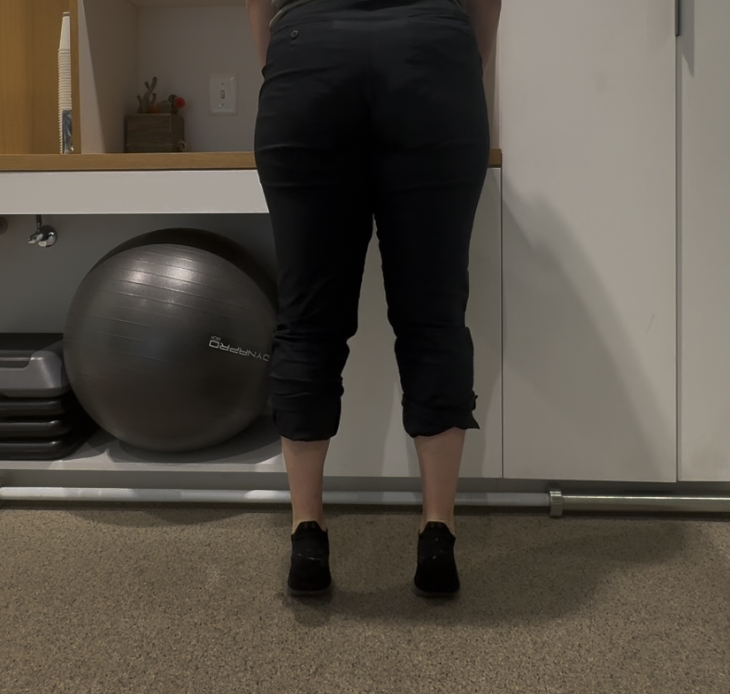
- Stand with feet about hip-width apart.
- Keep a slight bend in the knees.
- Gently move your hips backward.
- Keep your ribs stacked over your pelvis and your back relatively neutral.
- Return to standing by pressing through your heels and squeezing your glutes.
You should feel this effort in the back of the hips and legs, not any strain in the low back.
Hip hinging may seem simple, but it can be a powerful tool for reducing back strain and improving movement efficiency.
For many people with back pain, learning how to move is just as important as strengthening or stretching. Small movement changes repeated throughout the day can make a meaningful difference over time.
If you want help with your back pain or learning to hinge and lift better, schedule an appointment with one of our physical therapists at Release Physical Therapy and get started today.